The Paint Archeology Lab
Exploring the chemistry of vintage finishes
Color Identification
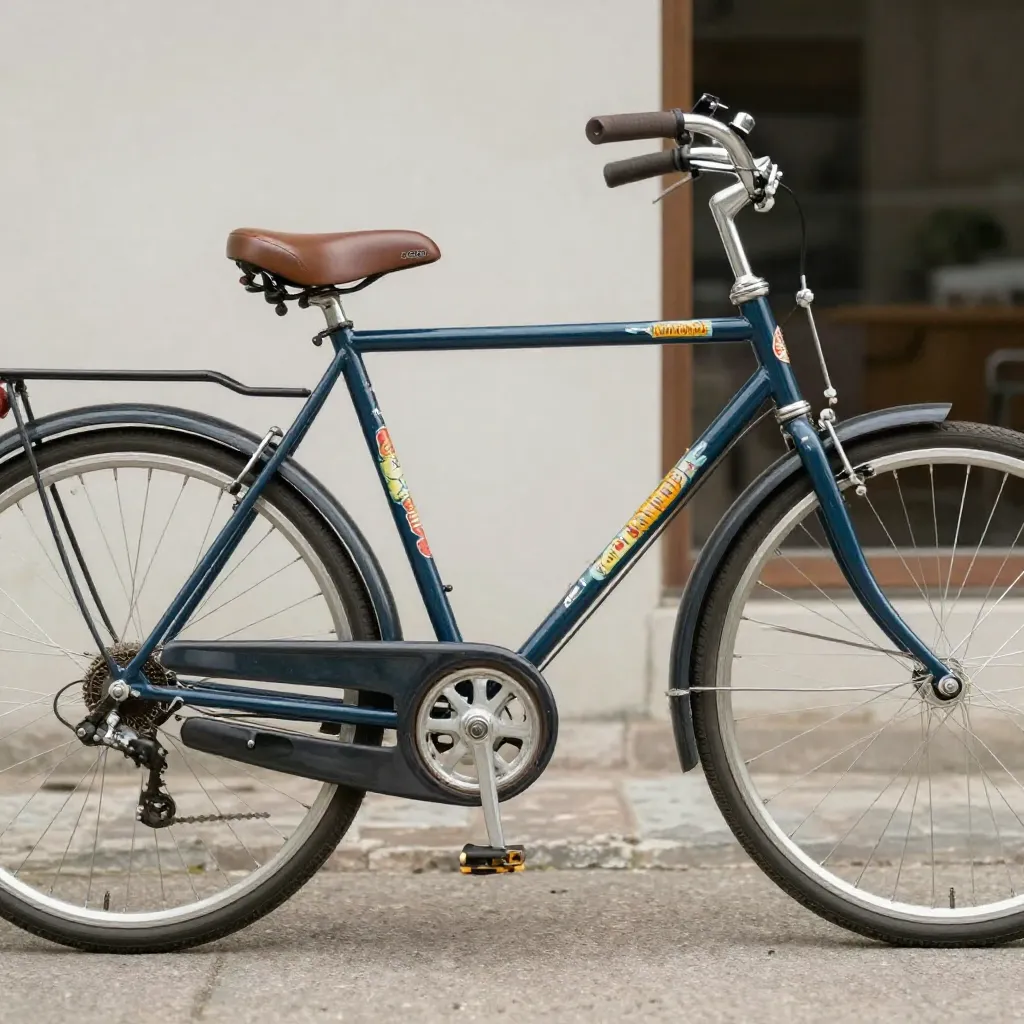
Original Factory Colors
Identifying original factory colors requires careful analysis of paint layers, cross-referencing period catalogs, and understanding the chemistry of vintage finishes. Each manufacturer had distinct color palettes that evolved over decades.
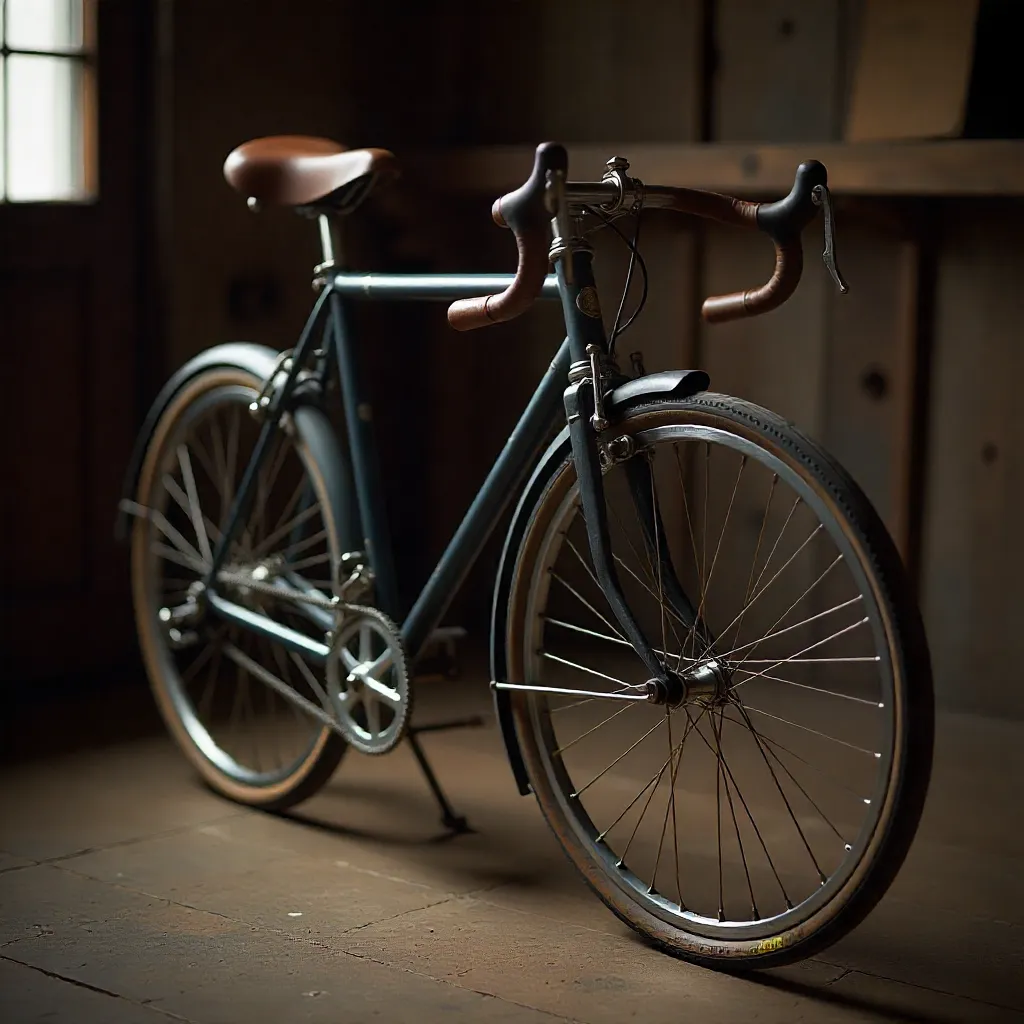
Layer Analysis
Through careful examination of paint layers, we can determine the bicycle's original finish. Primer, base coat, and clear coat each tell part of the story, revealing not just color but application techniques.
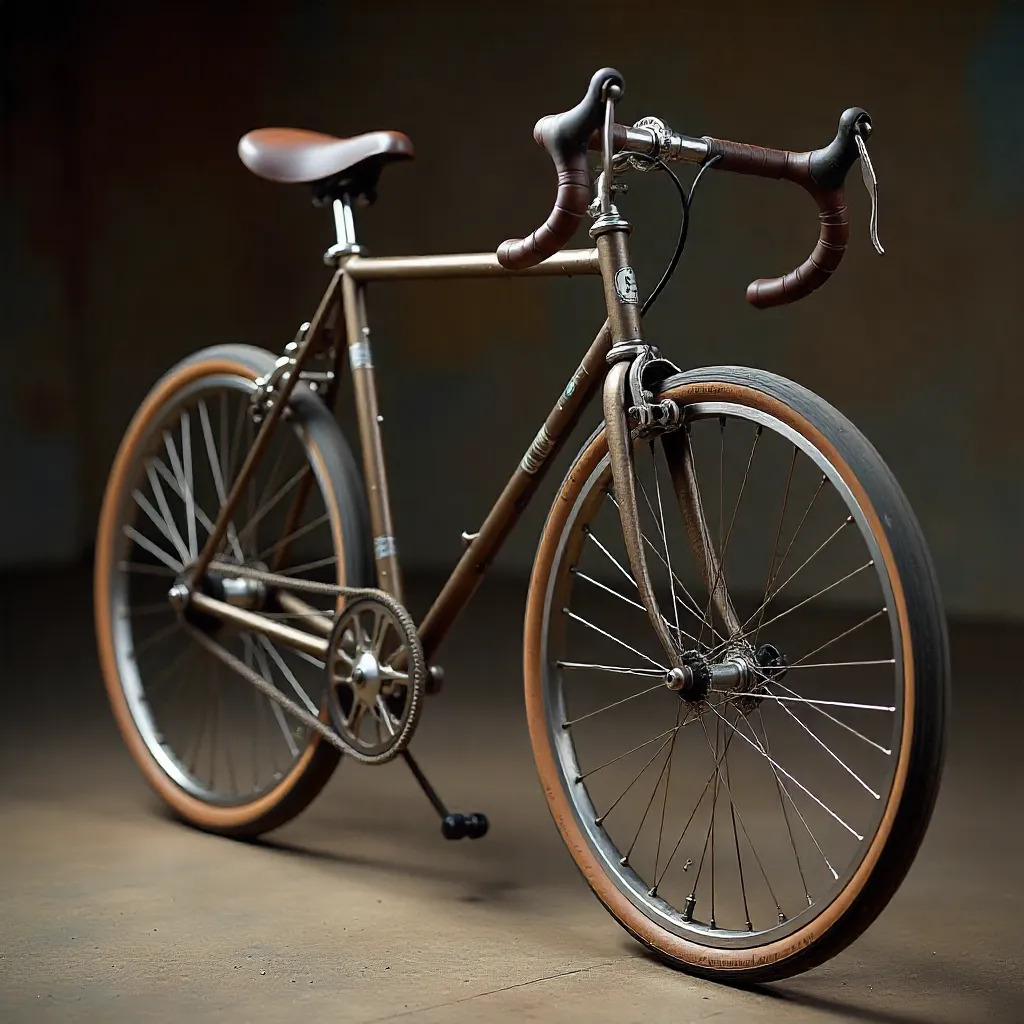
Flamboyant Paints
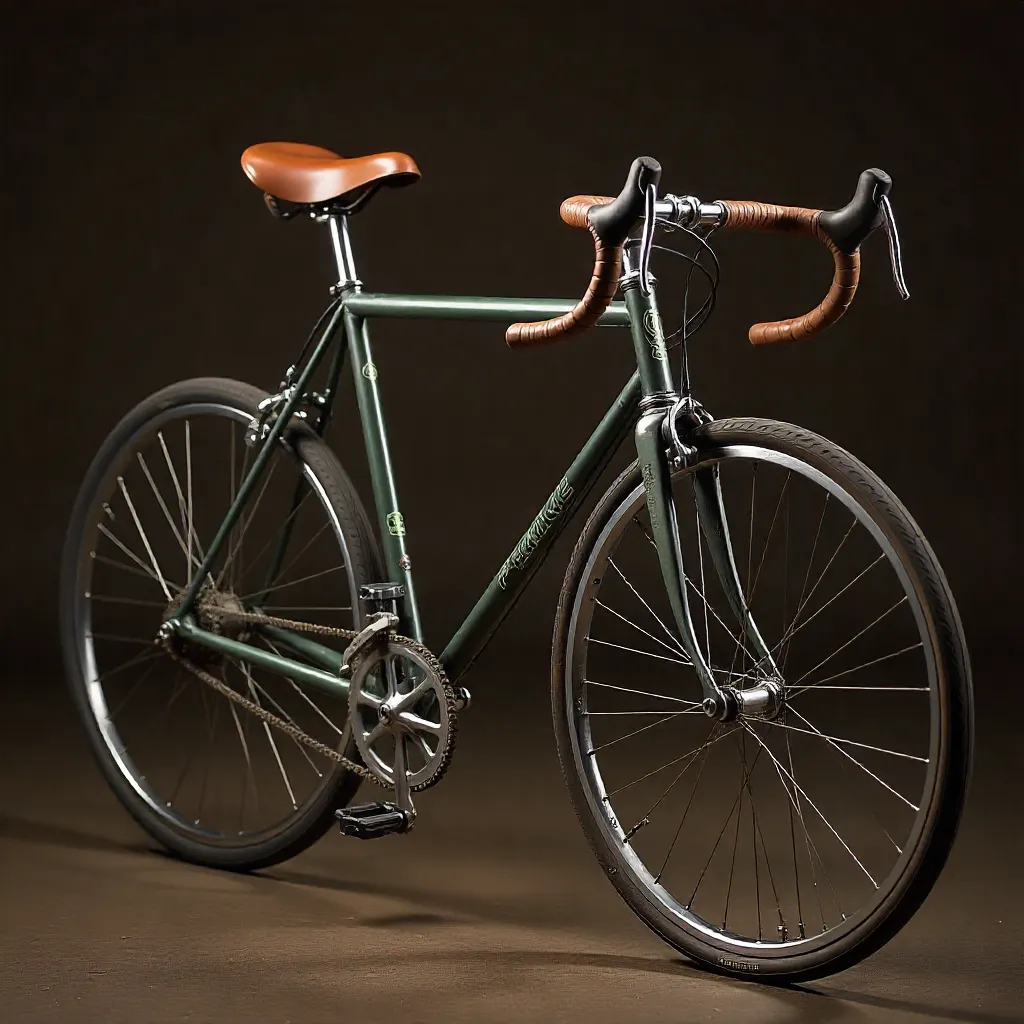
Candy Finishes
Flamboyant, or candy, paints create depth through translucent color layers over metallic bases. These finishes require precise application techniques to achieve the characteristic depth and richness that made them popular on high-end bicycles.
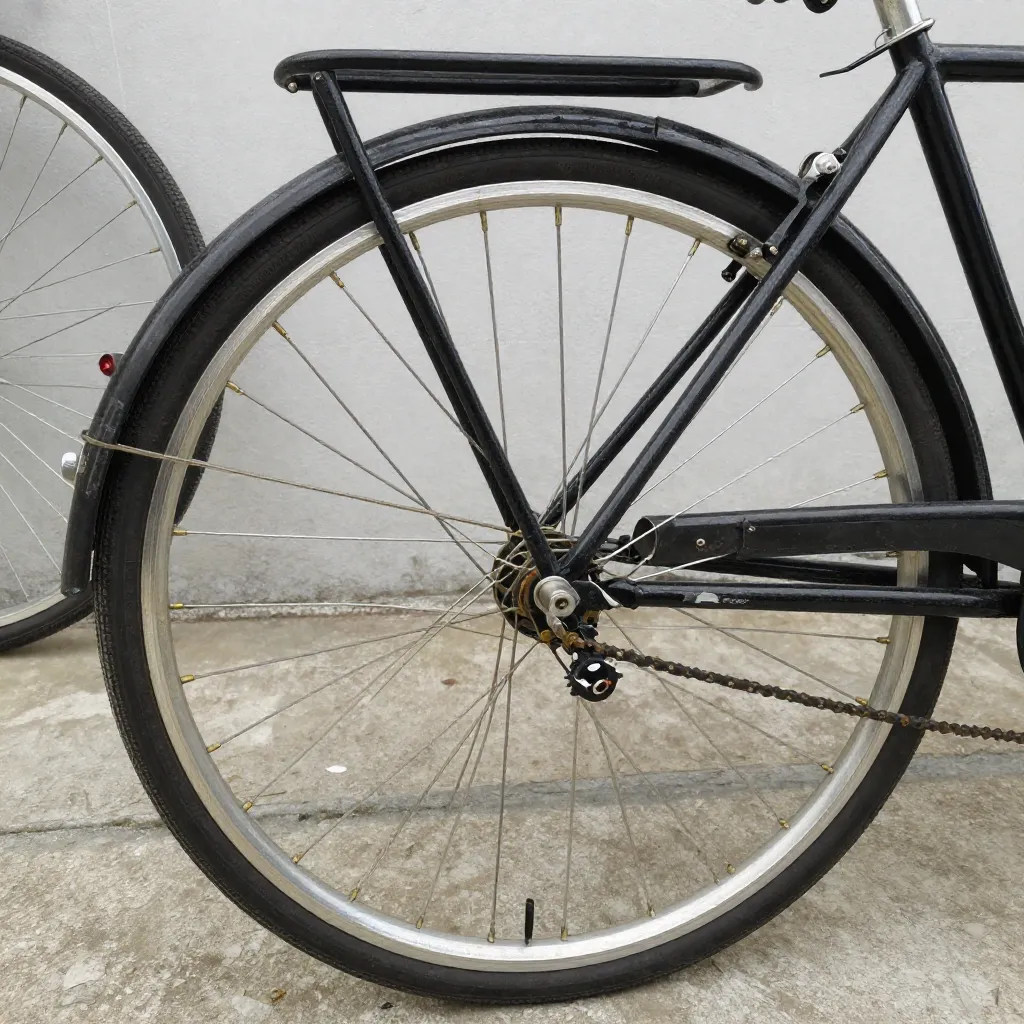
Base Preparation
The metallic base coat determines the final appearance of candy finishes. Proper surface preparation and base coat application are critical to achieving the desired depth and color intensity.
Hand-Painted Pinstriping
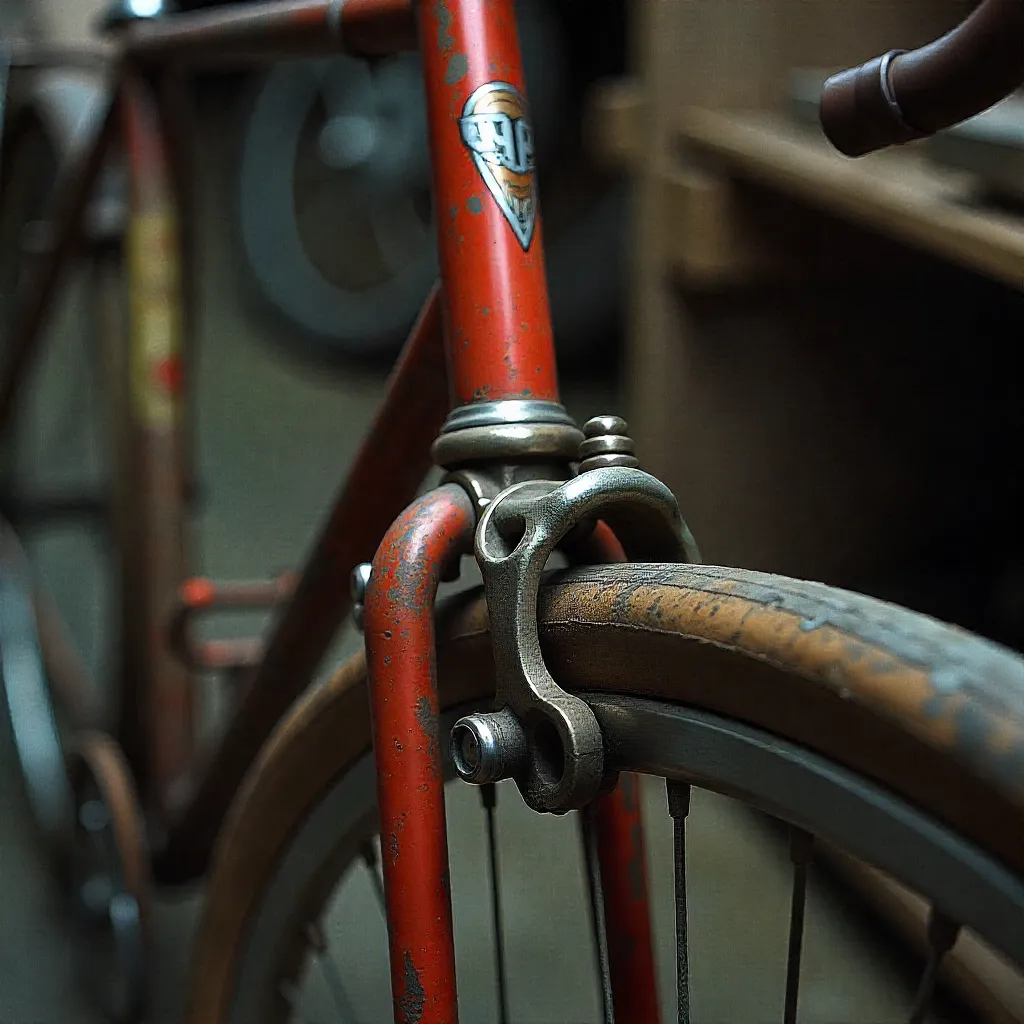
Box Lining
Box lining, or pinstriping, adds definition to frame tubes and lugs. This hand-painted technique requires steady hands and an understanding of how lines interact with frame geometry to enhance visual flow.
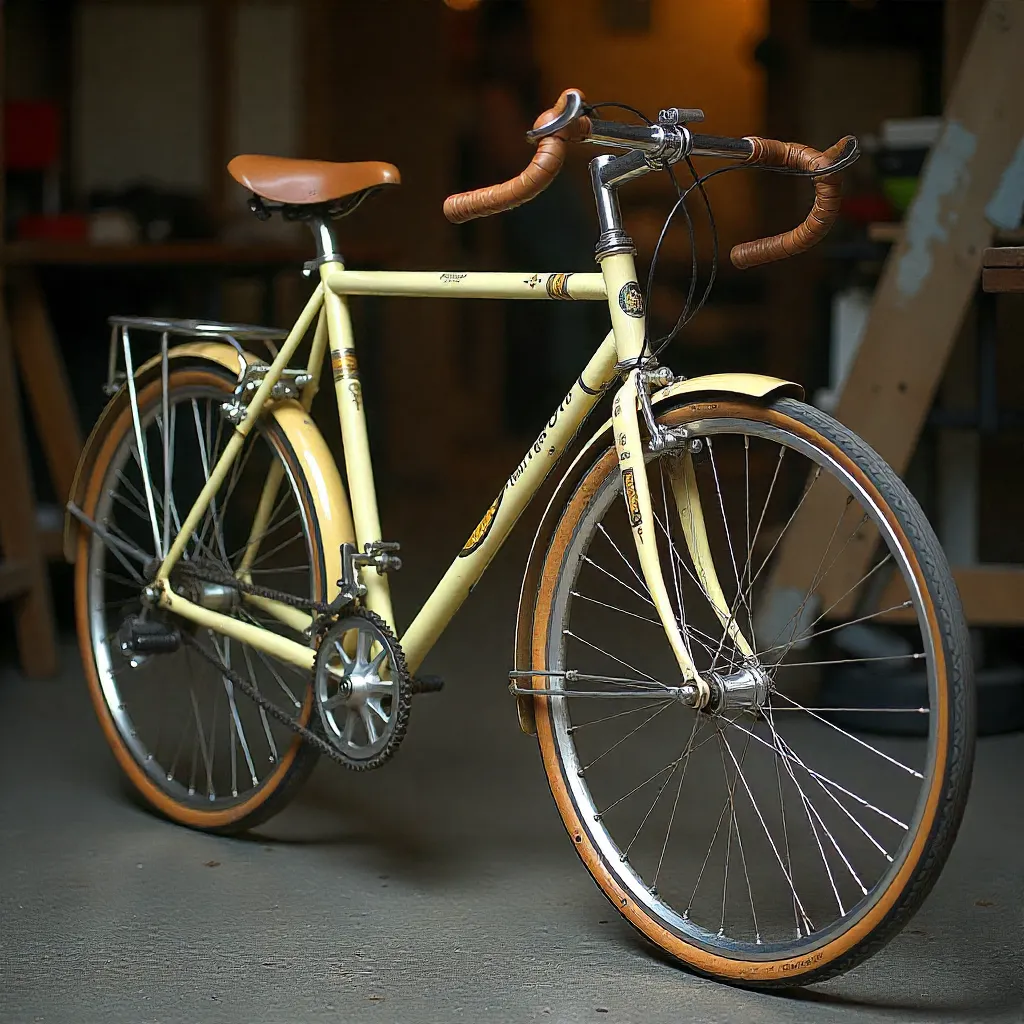
Artistic Precision
Each stroke of the pinstriping brush must be intentional. The width, consistency, and placement of lines contribute to the frame's final appearance, requiring both technical skill and artistic sensibility.
Paint Chemistry
Understanding vintage paint chemistry is essential for proper restoration. Early finishes used different formulations than modern paints, requiring specialized knowledge to match original appearances. From nitrocellulose lacquers to early polyurethanes, each era's paints have distinct characteristics that must be respected in restoration work.
Nitrocellulose Lacquers
Early bicycle finishes often used nitrocellulose lacquers, which provide a distinctive depth and clarity. These finishes require careful application and curing to achieve proper adhesion and durability.
Acrylic Enamels
Mid-century finishes transitioned to acrylic enamels, offering improved durability while maintaining the aesthetic qualities that define classic bicycle finishes.
Clear Coats
The final clear coat protects underlying colors while contributing to the finish's final appearance. Matching original sheen levels—from matte to high-gloss—is crucial for authentic restoration.