The Component Catalog
A Museum of Parts
Interactive Timeline
Each component tells a story of cycling evolution. From downtube shifters to quill stems, leather saddles to toe clips, these parts represent decades of innovation and refinement. Understanding their history helps guide restoration decisions.
Downtube Shifters
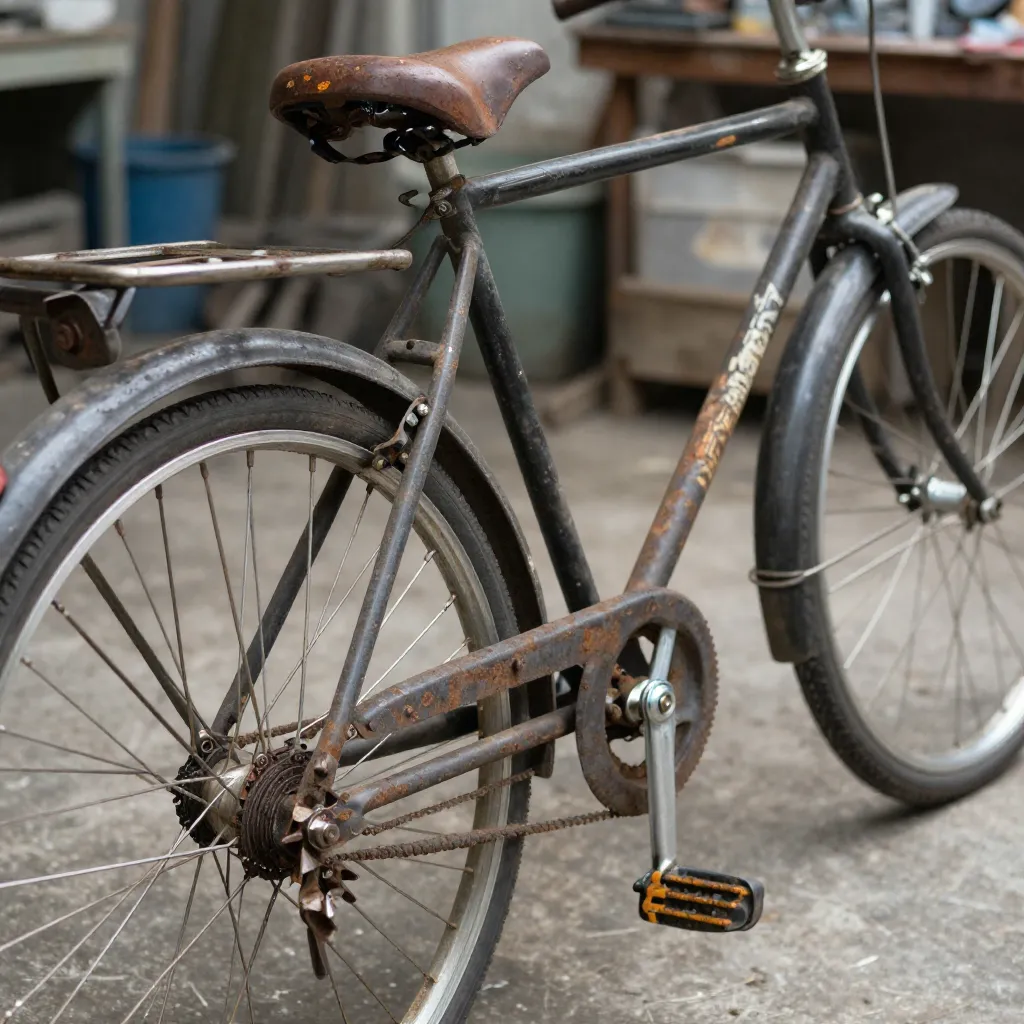
Mechanical Precision
Downtube shifters represent an era when shifting required deliberate action. These mechanisms, whether friction or indexed, require careful maintenance to preserve their tactile feedback and reliable operation.
Patina Guide
Preserve the original finish on shifter bodies—light wear on levers shows honest use. Polish only if corrosion threatens function. The patina of decades adds character that new components cannot replicate.
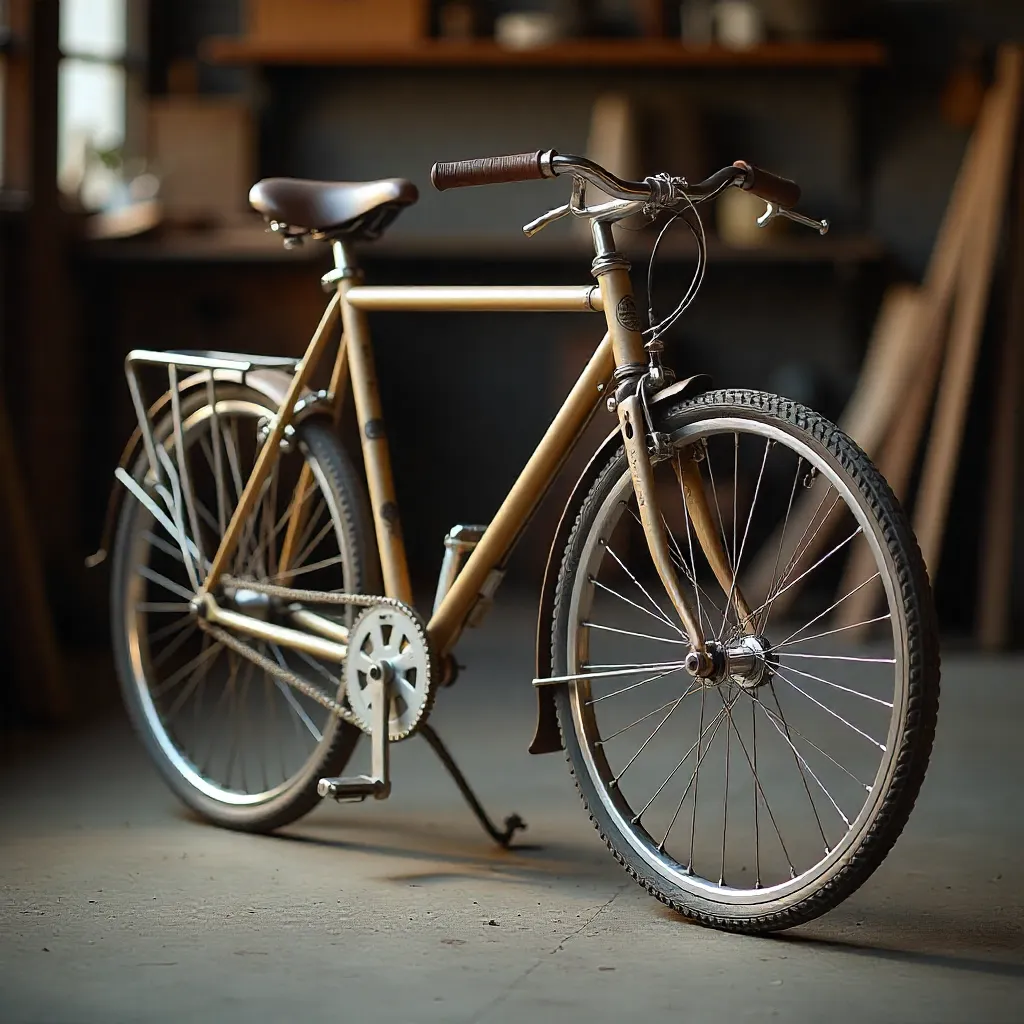
Quill Stems
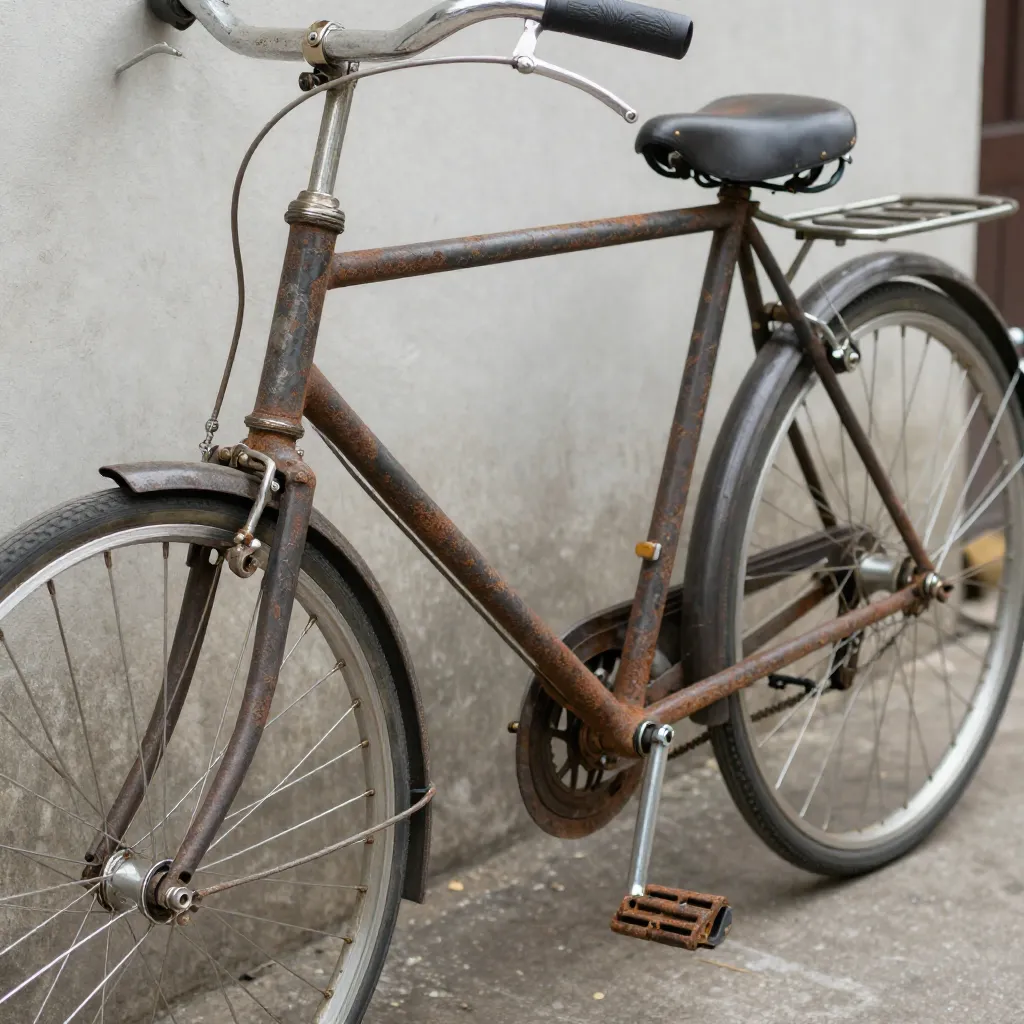
Classic Design
Quill stems connect handlebars to fork steerer tubes through an elegant wedge mechanism. Their design remained largely unchanged for decades, a testament to effective engineering.
Patina Guide
Light surface oxidation on aluminum stems is acceptable—it shows age without compromising strength. Polish only if aesthetics demand it. Chrome-plated stems benefit from careful cleaning to prevent rust progression.
Leather Saddles
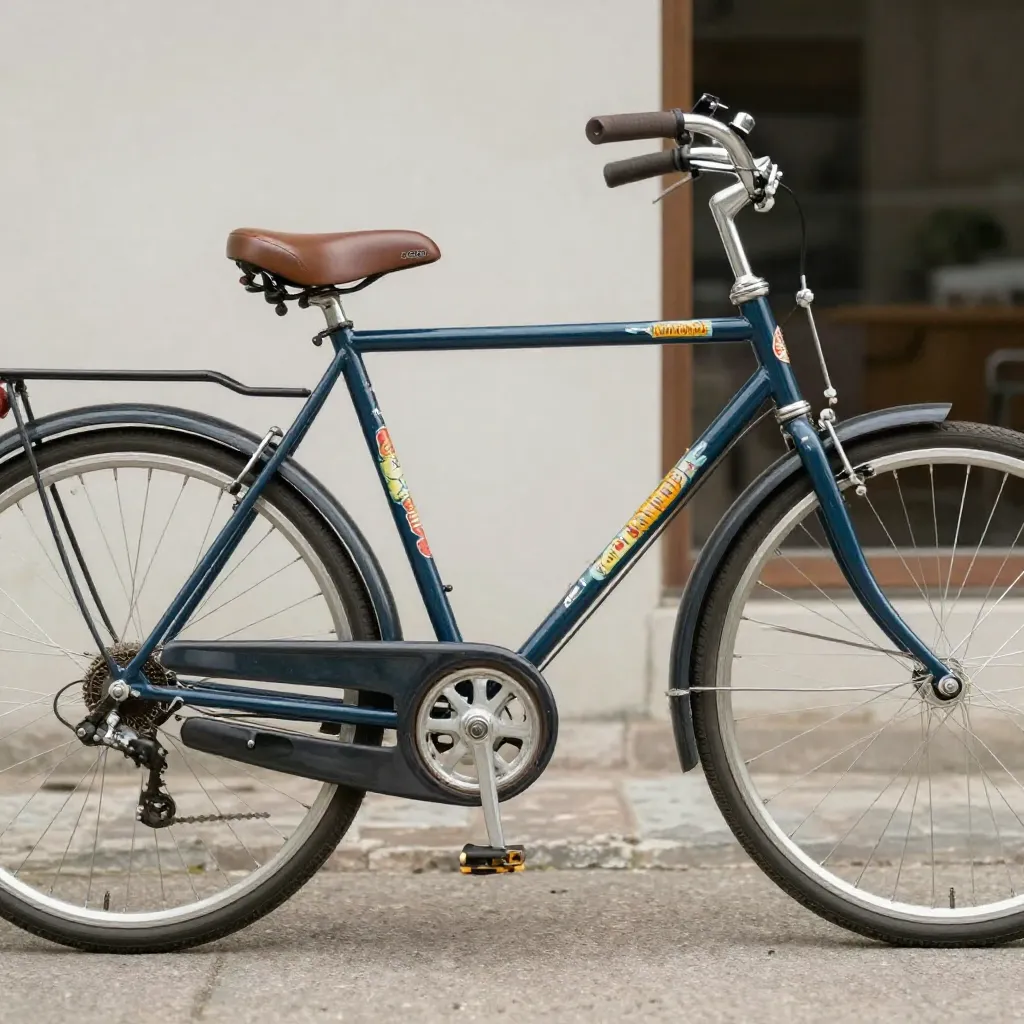
Natural Materials
Leather saddles develop character through use. The material molds to the rider, creating a personalized fit that synthetic materials cannot match. Proper care extends their lifespan significantly.
Patina Guide
Preserve the natural patina of leather—it represents years of careful use. Condition regularly with appropriate leather treatments. Only replace if the leather is cracked or torn beyond repair. The saddle's shape tells its history.
Component Restoration Principles
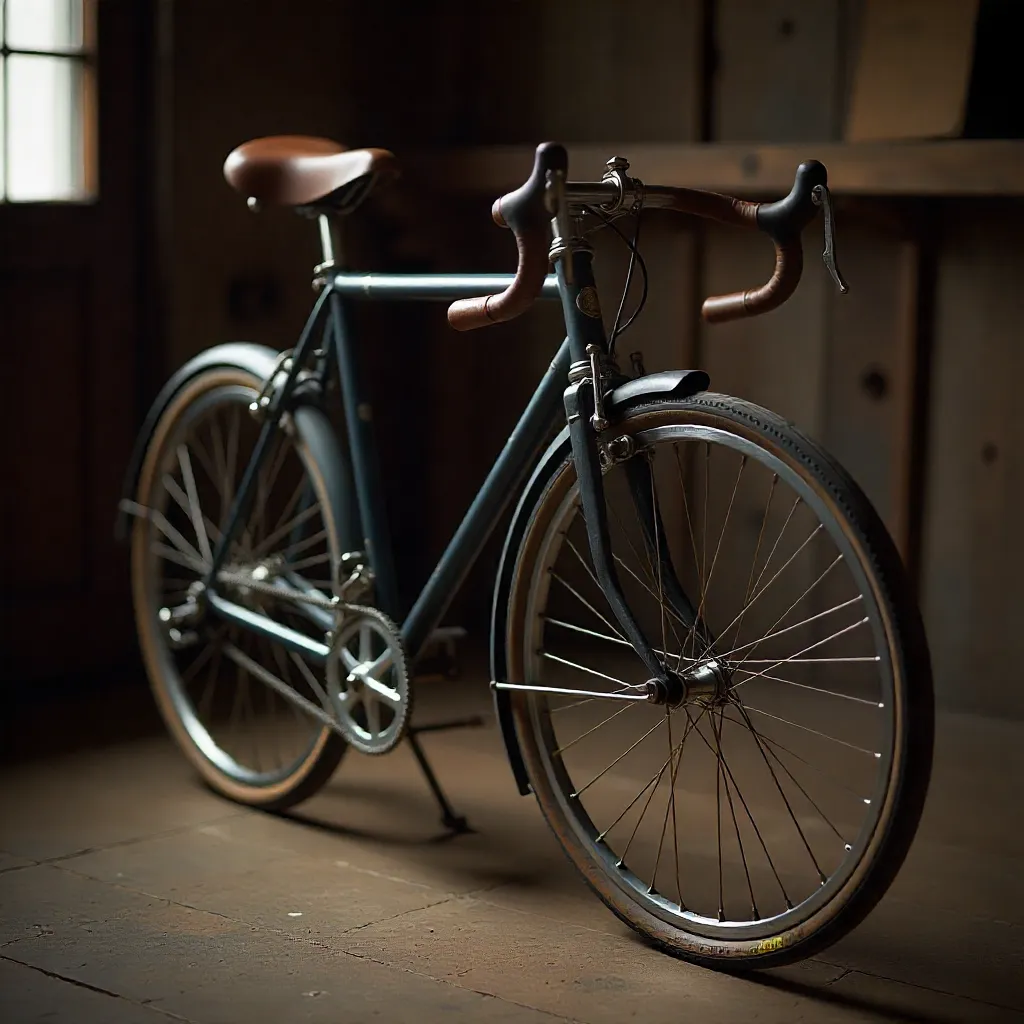
Function First
Safety and function take priority. Components that affect braking, steering, or structural integrity must be restored to reliable condition, regardless of aesthetic considerations.
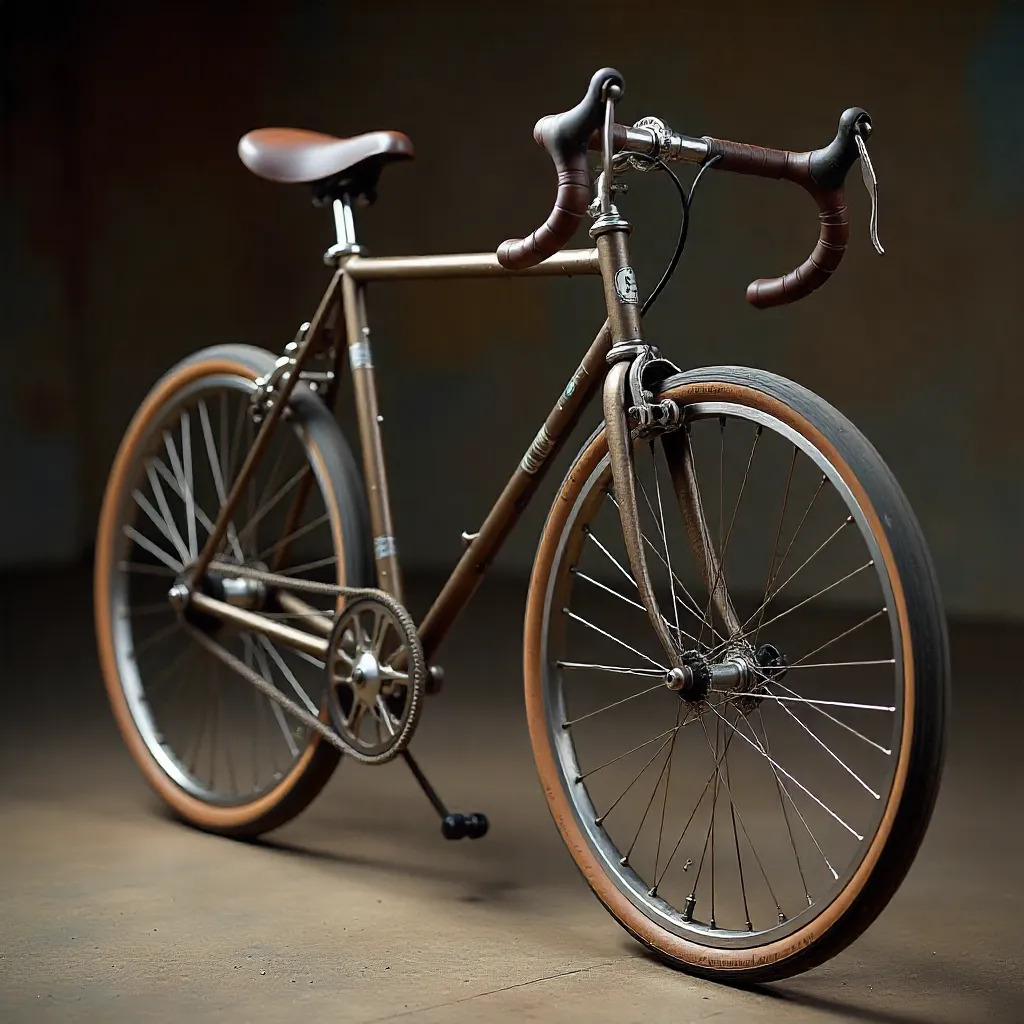
Preserve Character
Non-critical components can retain their patina when it adds character without compromising function. The goal is a bicycle that looks appropriately aged while functioning perfectly.
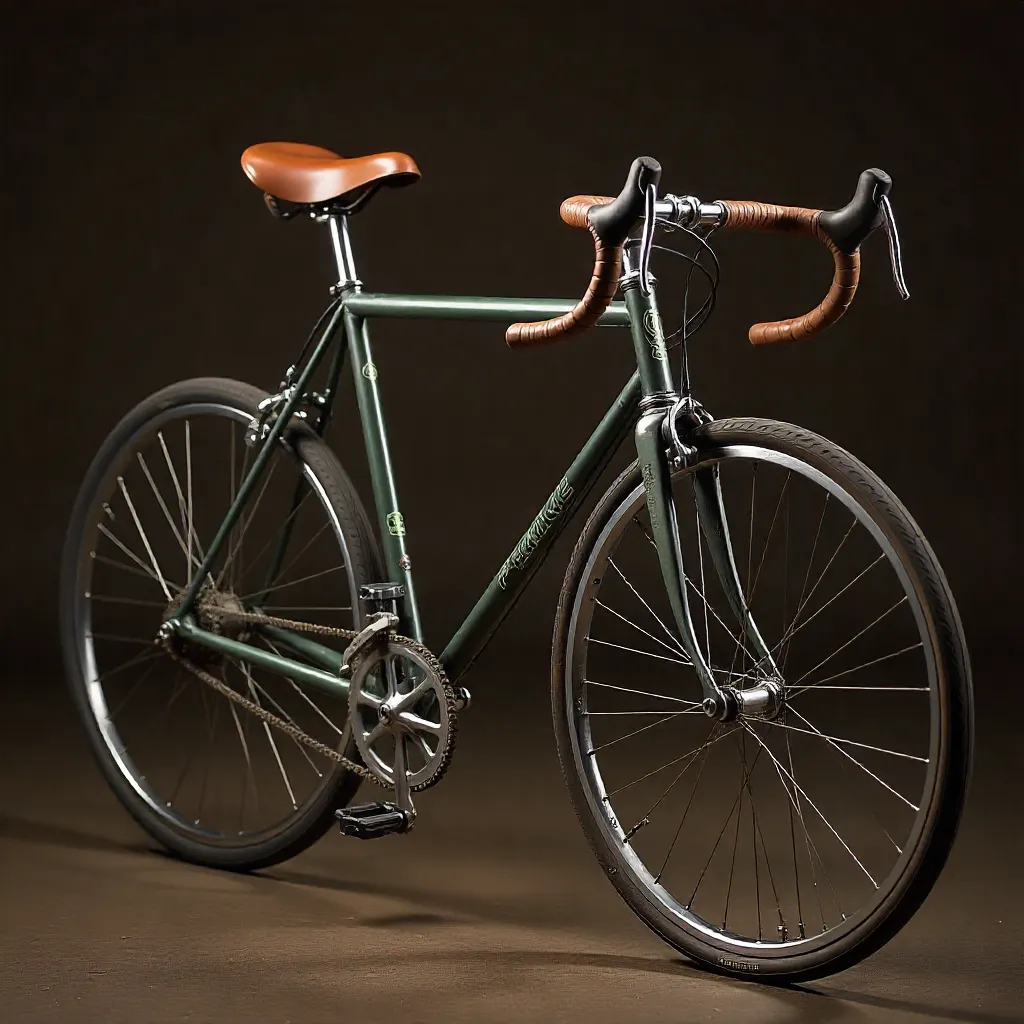
Historical Accuracy
Match components to the bicycle's era. A 1970s frame deserves period-appropriate components, not modern alternatives. This maintains the bicycle's historical integrity.
Restoration Guidelines
When restoring components, consider their role in the bicycle's overall character. Some wear adds authenticity; other wear compromises safety. Understanding this distinction guides restoration decisions and ensures the finished bicycle honors both its history and its future use.